

Desert Forest Golf Club
The course that showed golf could look like the desert
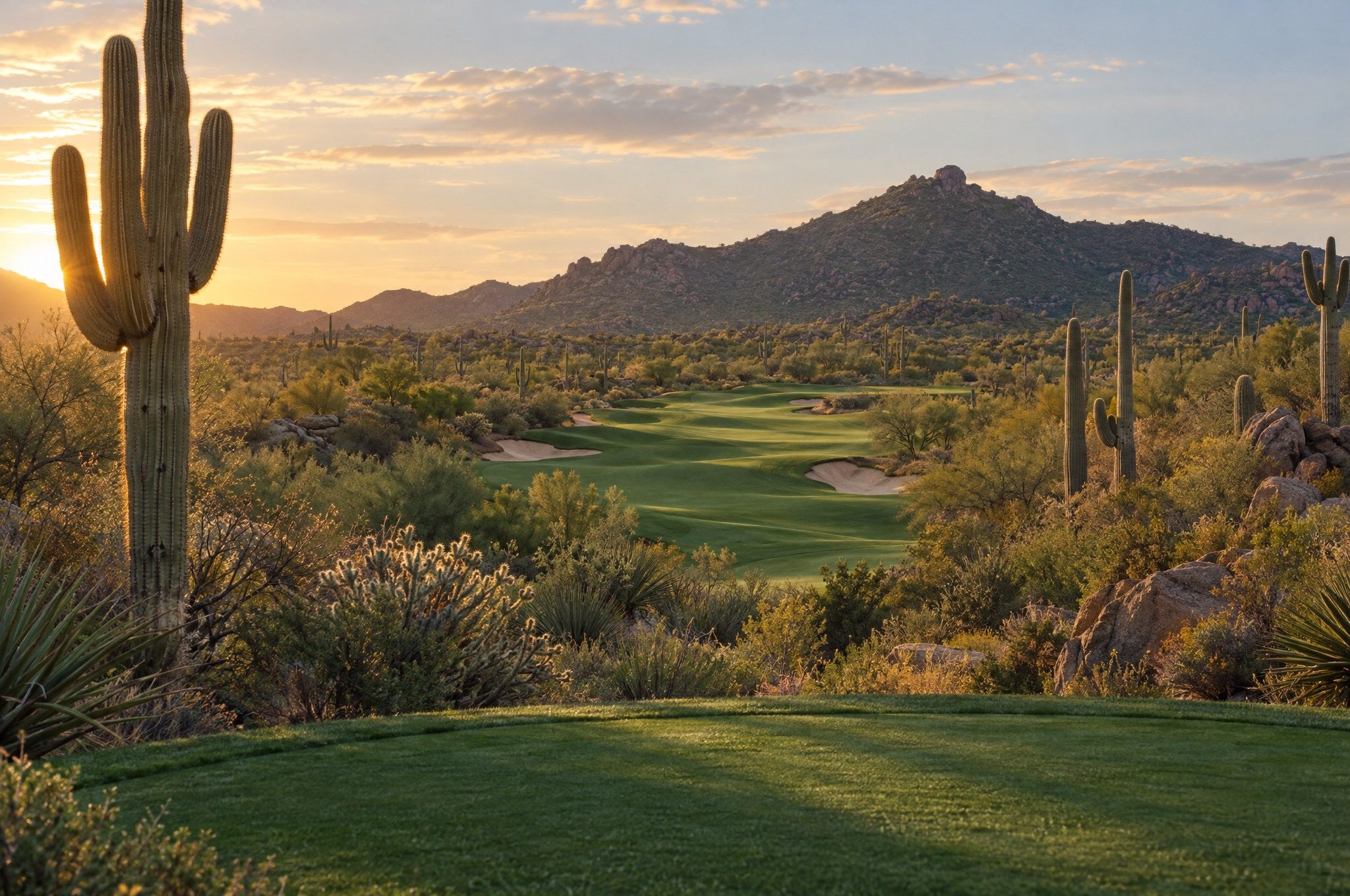
Red Lawrence opened Desert Forest in 1962, at the heart of the new town of Carefree. It has a strong claim as the first American desert course to embrace its setting, and it still has no fairway bunkers, no water and no out of bounds.
Before Anyone Called It Target Golf
A modest budget may have helped shape an influential course.
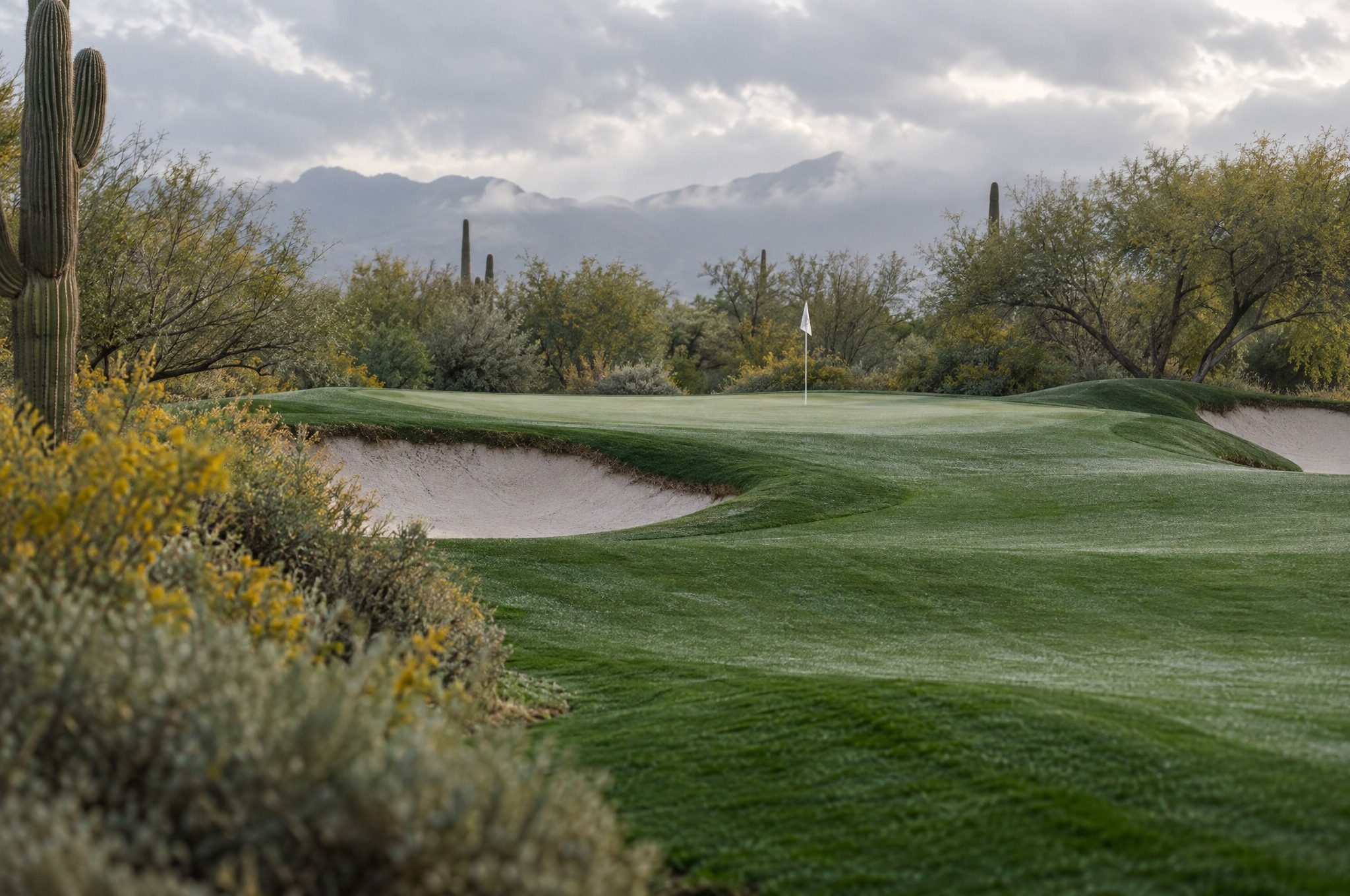
Lawrence moved little earth and let the fairways roll over the site's natural contours. He built no fairway bunkers, leaving sand and Sonoran plants as the hazards off the tee. The Fried Egg notes the course isn't literally the first desert course, and that its natural look may have been a product of a paltry budget. The result was still decades ahead of the desert golf that followed.
Carefree's founders put the course at the center of their town. The club went on to host the Dunlop Masters from 1964 to 1974, the Goldwater Cup, the 1990 USGA Senior Amateur, and the 2007 U.S. Women's Mid-Amateur.
The Zinkand Greens
The 2013 renovation changed the greens.
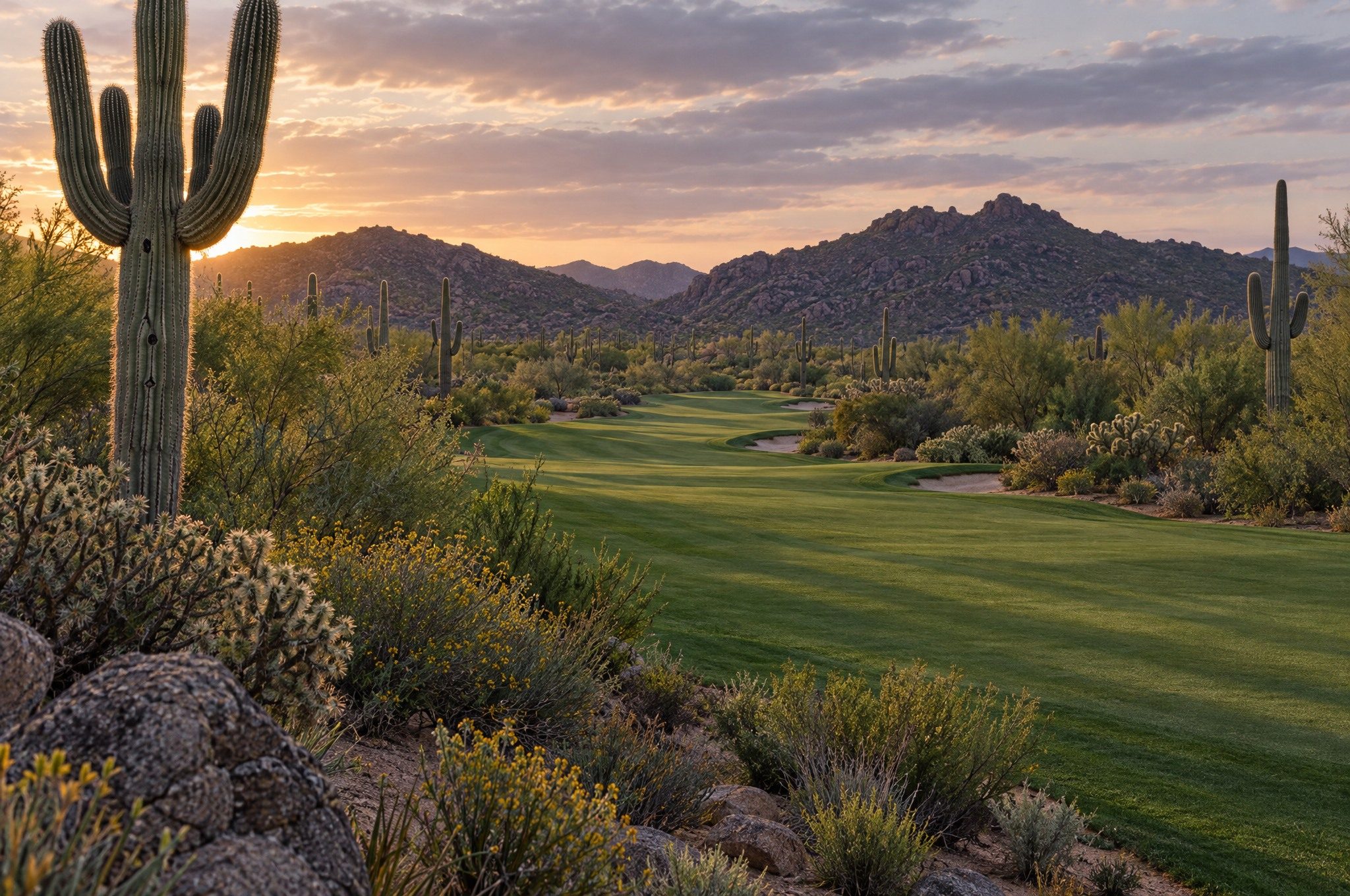
David Zinkand, a longtime Coore and Crenshaw associate, was hired after the original push-up greens developed turf and soil problems. He added tees, improved sight lines and updated bunkering. His biggest change was the green complexes, still small and perched but far more varied.
The old greens looked so alike that the club newsletter once ran a contest asking members to identify a hole from a photo of its green, and they often guessed wrong. Zinkand counts the end of that contest as proof of the work. Bill Coore wrote to the board that the renovation made a great course even better.
Everything Is in Play
The feel of the round differs from anything nearby.
The club says the course was designed to be walked, a rare thing in Arizona. Early on the nines were flipped, so today's eighth and ninth, the original closing holes, play into the setting sun.
The Fried Egg's favorite hole is the seventh, a par 5 of up to 551 yards with a choice off the tee: play to the generous fairway on the left, or carry a large stretch of desert to an alternate fairway on the right and gain a better route over a sandy wash in front of the raised green.
The clubhouse is small, low-slung and midcentury, which The Fried Egg counts among its favorites anywhere. Practice space includes a double-sided range and a two-acre short game area.
“Later desert courses followed the example set here.”
The details that matter
- No out of bounds, no water, no fairway bunkers: the club's own description.
- Green complexes remain small and perched after the renovation, so missing them takes real recovery skill.
- Overseeding begins in late September, so plan fall visits around it.
- The midcentury clubhouse is part of the appeal, so judge it against that style.
Membership and access
Private and member-owned. Confirm current categories and terms with the club.
Homes nearby
The club sits in Carefree, with custom homes and desert lots nearby. Our Cave Creek page covers the wider area.
Questions
Was Desert Forest really the first desert course?
Not literally. It has a strong claim as the first in the U.S. to embrace the desert instead of imposing a parkland look.
Can you walk it?
Yes. The club says it was designed for walking.
An early desert course
If an older, walkable style of golf appeals to you, we'll show you what's around Carefree.